A great game night usually breaks down in the same place: not the rules, but the table. Cards slide into drink rings. Tokens migrate. Dice vanish into the floor void. The right tabletop gaming accessories do more than make a setup look better – they make the whole session feel cleaner, faster, and more considered.
That matters whether you host a weekly campaign, keep a shelf of two-player strategy games, or want your coffee table to pull double duty without looking like a hobby store exploded on it. Good accessories are not about buying more stuff for the sake of it. They are about choosing the pieces that earn their place.
What tabletop gaming accessories actually improve
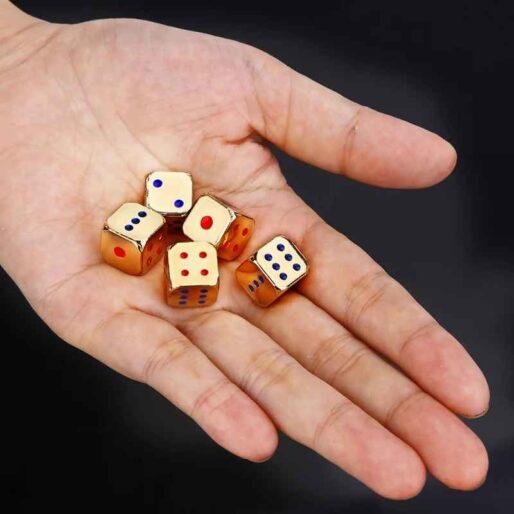
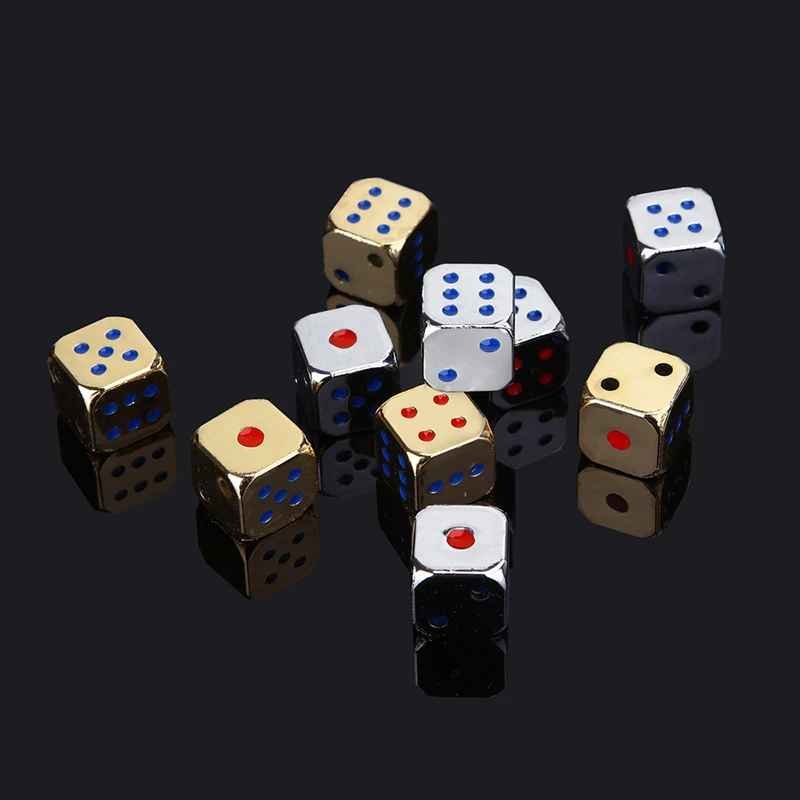
The best accessories solve friction. They shorten setup, protect the parts you already own, and help everyone stay focused on the game instead of the mess around it. A dice tray keeps rolls controlled. Card sleeves preserve decks that get shuffled constantly. A token organizer cuts down on the small chaos that can make even a beautiful game feel fussy.
There is also the visual side, and it is not trivial. Tabletop games are tactile by nature. Materials, finish, and form change the mood of the table. A wood deck box, a sculptural dice vault, or a clean acrylic organizer can make a familiar game feel more intentional. For a lot of players, that ritual is part of the hobby.
Still, not every accessory deserves a spot in your setup. Some are genuinely useful. Some are mostly decorative. Often the right choice depends on how you play, where you store your games, and whether you want portability, display value, or both.
The tabletop gaming accessories that pull the most weight
If you are building a setup from scratch, start with the items that affect play every single session. Dice trays and towers are high on that list, especially for roleplaying groups or any game where loose rolling becomes a nuisance. A tray is usually the more versatile option. It is quieter, easier to store, and less theatrical. A tower adds flair and consistency, but it takes up more room and is not always practical on a crowded table.
Card sleeves are another easy win, though they come with trade-offs. They protect cards from wear, make shuffling smoother for some players, and help preserve games that are hard to replace. The downside is bulk. Sleeved cards need more storage space, and some original inserts no longer fit once a deck is protected. For collectible decks, favorite games, or titles that see constant play, sleeves make sense. For a party game you bring out twice a year, maybe not.
Playmats are often underestimated until you use one regularly. They soften pickup, reduce slipping, and give cards and tokens a more stable surface. They also help define the play area in apartments or multipurpose spaces where the dining table has to transform quickly. If your home leans design-conscious, a well-made mat can make the setup feel composed instead of improvised.
Token trays, bowls, and component organizers can be even more valuable than they first appear. Many modern board games come with a lot of little pieces, and the difference between a pile and a system is the difference between drag and flow. The best organizers are easy to pass around, easy to reset, and compact enough to store without becoming their own headache.
Storage matters more than novelty
A beautiful accessory that creates clutter is still clutter. That is why storage pieces tend to outperform gimmicks over time. Deck boxes, dice cases, zip pouches, and modular inserts are not glamorous in theory, but they keep your collection playable.
Deck boxes are especially useful if you rotate through card games, travel with a favorite build, or want to keep expansions separate. Here, material really changes the experience. Faux leather and stitched finishes feel refined and giftable. Wood has presence and display value. Hard-shell synthetic options are usually better for travel and less precious about knocks and scratches.
Dice storage is its own category because dice tend to multiply. A simple pouch is the practical baseline, but cases with compartments can save time if you sort by set, system, or color. If your accessories live out in the open, this is where style and utility can meet nicely. A storage piece that looks good on a shelf is more likely to stay in use.
For board games with lots of components, inserts can be transformative, but only if they are well designed. A bad insert slows setup rather than helping it. Look for layouts that support gameplay, not just packing efficiency. If you have to remove five layers to reach common components, the organizer is working against you.
Aesthetic upgrades versus practical upgrades
This is where taste comes in. Some tabletop gaming accessories are purchased because they solve a problem. Others are chosen because they make the experience feel richer, more personal, or more collectible. Neither reason is wrong.
Metal coins, upgraded resource tokens, themed life counters, and artisan dice fall squarely into that second category. They rarely change the mechanics, but they can elevate the atmosphere. For campaign games, fantasy settings, or tables where presentation is part of the pleasure, premium components are often worth it. They turn routine actions into tactile moments.
But there is a line. If an upgrade makes components harder to read, too heavy for the board, or overly precious for regular use, it may photograph better than it plays. That is the test worth using: does this accessory improve the session once the novelty wears off?
For gift shoppers, this distinction matters too. The most successful gifts are usually adjacent to the hobby, not hyper specific to a single game system unless you know the recipient well. A handsome dice tray, a versatile card case, or a clean organizer has broader appeal than a niche accessory tied to one title.
How to choose tabletop gaming accessories without overbuying
A smart setup starts with your habits. If you mostly play at home, larger trays, display-worthy storage, and table mats make sense. If you bring games to cafes, friends’ apartments, or conventions, portability moves to the top of the list.
Think about your dominant format. Roleplaying players often benefit from dice tools, note-taking accessories, mini storage, and character organization. Card gamers usually care more about sleeves, deck boxes, binders, and play surfaces. Board gamers with heavier titles tend to get the biggest return from inserts, token dishes, and component storage.
Material is not just a style question either. Wood feels warm and collectible but can add weight. Acrylic looks clean and modern but shows scratches more easily. Felt and microfiber soften the table and reduce noise, though they may need more upkeep. Leather or leather-look finishes bring polish, but the quality gap between good and bad versions is obvious fast.
The other useful filter is frequency. Buy for the games you actually play, not the version of yourself who might host an eight-hour campaign every weekend. The accessory that sees constant use is the one worth paying for.
What makes an accessory feel worth keeping
The best pieces tend to share the same qualities. They are easy to use, easy to store, and visually considered without being fussy. They fit into your routine instead of demanding one. That sounds simple, but it is surprisingly rare.
This is also why curated shopping matters in this category. There is no shortage of tabletop gear online, but plenty of it is generic, overbuilt, or all concept and no function. A selective marketplace approach makes more sense here than endless inventory. When every item has to justify itself on design, usefulness, and shelf presence, the good choices become easier to spot.
If you are refreshing your setup, start small and choose the pieces that remove friction first. Then add the ones that bring character to the table. That balance is where a collection stops feeling random and starts feeling personal.
A good accessory should make game night smoother before it makes it prettier. When it does both, keep it close.
One Response